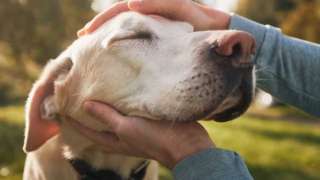
In a world that sometimes seems dominated by negativity and cruelty, the acts of kindness and compassion towards animals shine like beacons of hope.
Every day, individuals around the world perform good deeds by helping animals in need. These selfless actions not only benefit the animals but also inspire positive change in society and foster a sense of responsibility towards our fellow creatures.
Good deeds, particularly those focused on helping animals, have the power to create a ripple effect of positive change. They exemplify the capacity for empathy and the potential for individuals to make a difference in the lives of others, regardless of their species. Here are some remarkable ways in which people are demonstrating their kindness to animals:
Rescue and Rehabilitation
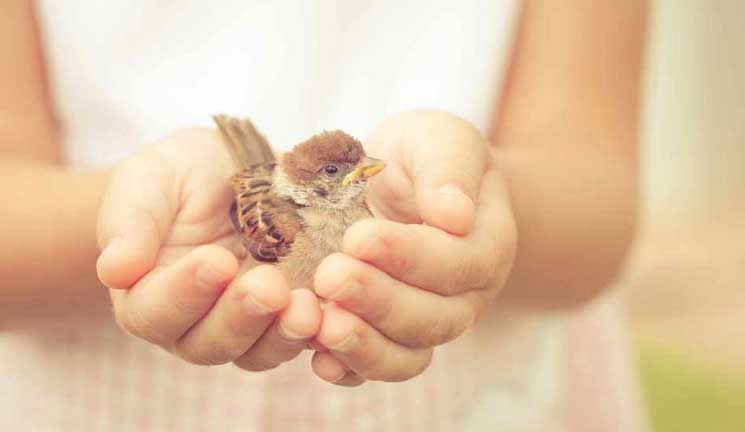
Countless individuals dedicate their time, resources, and energy to rescue animals in distress. Whether it’s saving a stray dog from the streets, rehabilitating an injured bird, or providing shelter to abandoned kittens, these selfless acts of rescue and rehabilitation showcase the tremendous compassion that exists in our society.
Adoption and Fostering
Animal shelters and rescue organizations thrive on the kindness of those who adopt and foster animals. By providing loving homes for abandoned and homeless pets, these individuals make a profound impact on the lives of these animals, offering them a second chance at happiness.
Wildlife Conservation
Wildlife enthusiasts and conservationists are on the front lines of preserving endangered species and protecting natural habitats. Their dedication to wildlife conservation helps ensure the survival of countless species and the preservation of our planet’s biodiversity.
Animal Advocacy
Animal advocates work tirelessly to raise awareness about the plight of animals and advocate for their welfare. Through education, lobbying, and public awareness campaigns, they strive to change policies and behaviors that harm animals.
Acts of Kindness in Daily Life
Small, everyday acts of kindness towards animals can also be transformative. Feeding a stray cat, providing fresh water for birds, or rescuing a trapped insect from your home are all simple yet powerful gestures that reflect empathy and compassion.
The Impact of Helping Animals
When individuals engage in good deeds for animals, it has far-reaching consequences. These acts of kindness inspire others to follow suit, creating a compassionate and empathetic community. The impact can be seen in several ways:
Encouraging Empathy
Acts of kindness towards animals help instill empathy in people of all ages. This empathy extends beyond the animal world, promoting a greater sense of compassion in everyday human interactions.
Fostering Responsibility
Caring for animals teaches responsibility. When people are responsible for the well-being of animals, they learn the importance of providing food, shelter, and love to those who depend on them.
Enhancing Mental Well-being
Helping animals can be deeply rewarding and fulfilling. It has been shown to reduce stress, anxiety, and depression in individuals, demonstrating that kindness towards animals benefits both the giver and the receiver.
Positive Social Change
Good deeds towards animals can lead to broader social change. Animal welfare laws, ethical treatment of animals in industries, and increased awareness of environmental issues are just a few examples of how individual acts of kindness can contribute to positive systemic changes.
Conclusion
The good deeds performed by those who help animals not only alleviate suffering among our fellow creatures but also serve as a testament to the boundless kindness and empathy that humans are capable of. Whether it’s through rescuing, adopting, advocating, or simply extending a hand to those in need, acts of kindness towards animals inspire a better, more compassionate world for all. These actions demonstrate that, even in a world filled with challenges, there is still an abundance of compassion and goodwill to be found.